
Clay, Master Peng Yu
“Rock Painting IV”, 85 ml
“It is essentially a worship of the Imperfect.”
Okakura Kakuzō, “The Book of Tea”
Master Peng Yu’s teaware is imbued with the “beauty of imperfection”—the result of his years-long immersion in the wabi-sabi philosophy. Each piece captures a dialogue between Earth and Fire, embodying the Eastern spirit of Zen: natural simplicity and the primal refinement of antiquity. This aesthetic pursuit is realized through nearly twenty meticulous stages of craftsmanship.
He uses local natural clay from primary deposits and exclusively firewood as fuel. No artificial glazes are used. The teaware owes its luster to the very “life” of the kiln: over three days and two nights under ultra-high temperatures, natural wood ash settles onto the clay, melts, and transforms into a living glaze that sets into unique patterns and textures.
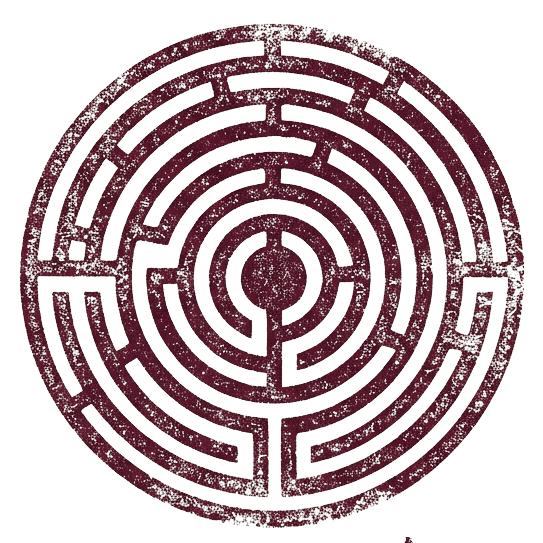
This teacup is inspired by ancient rock art and hand-painted by Master Peng Yu.
Specifications
- Category
- Teaware
- Type
- Cups
- Material
- Clay
- Volume
- 85 ml
- Producer
- Master Peng Yu
- Origin
- China / Sichuan
- Locality
- Nanbang City
- Packaging
- Gift box
Description
“It is essentially a worship of the Imperfect.”
Okakura Kakuzō, “The Book of Tea”
Master Peng Yu’s teaware is imbued with the “beauty of imperfection”—the result of his years-long immersion in the wabi-sabi philosophy. Each piece captures a dialogue between Earth and Fire, embodying the Eastern spirit of Zen: natural simplicity and the primal refinement of antiquity. This aesthetic pursuit is realized through nearly twenty meticulous stages of craftsmanship.
He uses local natural clay from primary deposits and exclusively firewood as fuel. No artificial glazes are used. The teaware owes its luster to the very “life” of the kiln: over three days and two nights under ultra-high temperatures, natural wood ash settles onto the clay, melts, and transforms into a living glaze that sets into unique patterns and textures.
This teacup is inspired by ancient rock art and hand-painted by Master Peng Yu.